Body Image
Honoring Both the Musician & Person

Chelsea Tanner’s Instagram Reel on January 7th highlighted one of the many complexities of being a musician: body image.
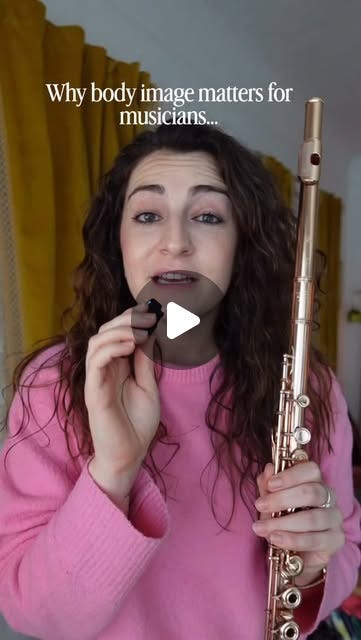
A reminder: we aren’t just entertainers, we are full humans, just like everyone else. In her post, Tanner spoke about the nuances of being a woman in music, where comments and critiques, often from men and those upholding patriarchal standards, prescribe how bodies appear. For example, alongside fashion.
What we wear becomes part of the performance, sometimes pushing us toward the idea that “beauty is pain,” instead of prioritizing what actually supports music-making, like the ability to breathe fully and move freely.
Though I am a man, I have also found myself putting appearance before performance. I think back to my undergraduate senior flute recital: tight pants, fitted vest, hoping I could still get a full breath when it mattered.
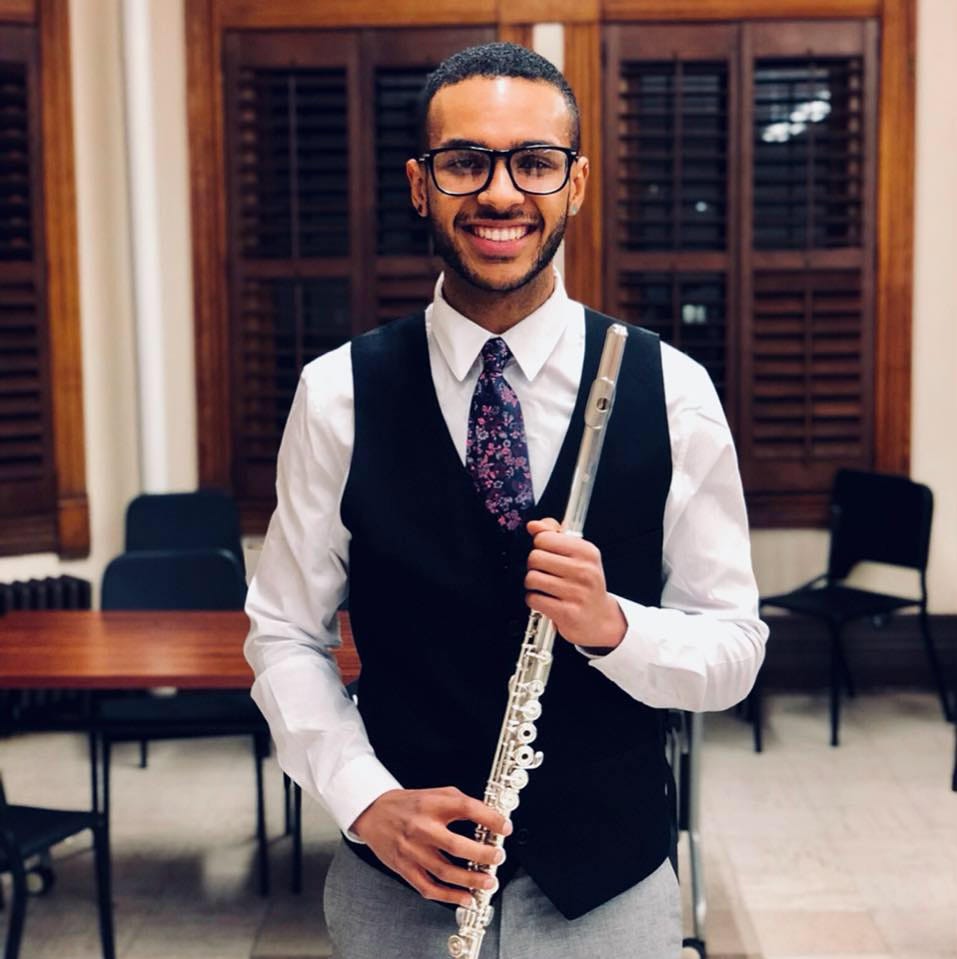
I believe many of us struggle with body image more than we’re willing to admit, especially my fellow men. As someone who once weighed 260 pounds and has since worked hard on my physical health, I still find myself constantly evaluating my appearance, sometimes bordering on body dysmorphia. This is complicated by existing within the queer community, where gay men are often subjected to body standards similar to those imposed on women, and by being Black in a society that has historically treated Black bodies, including skin color and natural features, as “less than.”
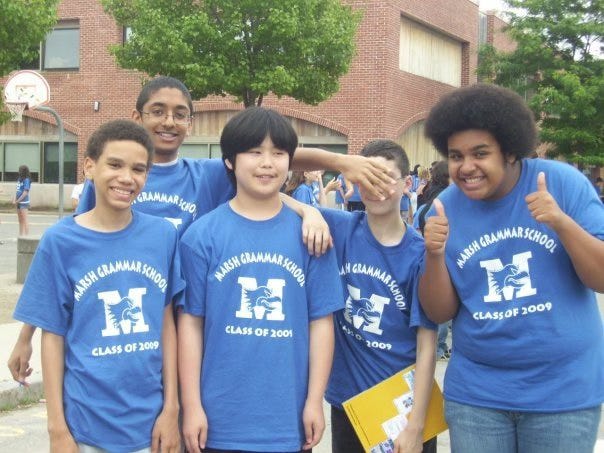
From worrying about the stretch of my torso and love handles, to wondering whether my natural hair will be seen as “acceptable,” to growing up unable to afford the “right” looks, I have felt, and still feel, the pressure to appear a certain way.
Musicians are often perfectionists, and perfectionism is deeply tied to people-pleasing, the desire to be enough. Research from Dr. Kapestki and Dr. Easmon found that around one-third of musicians experience disordered eating. This is not surprising when traditions in classical performance instill perfectionistic expectations from a young age. A “perfect” performance is rarely attainable, and it’s not uncommon for musicians to turn to maladaptive coping strategies, like around food in response.
This connects deeply to my own history. Growing up in chaos taught me to seek control wherever I could, sometimes through my body, sometimes through appearance, sometimes through the belief that if I looked good, then maybe I would be good.
Which raises the question: whose definition of “good” are we chasing?
Just as there are many ways to be successful, there are many ways to be healthy. Bodies are not one-size-fits-all. As RuPaul says, “If you can’t love yourself, how in the hell you gonna love somebody else?”
Being a musician comes with real demands. And if we don’t talk openly about topics like body image, perfectionism, and mental health, the consequences can be serious.
If you are struggling, please reach out to loved ones or medical professionals. If you are feeling extremely down or alone, you can call or text 988 (in the United States) for immediate support.